

Inheritance tax planning is of particular interest to both German residents in Spain and non-residents, as appropriate tax planning can make it possible to benefit from the tax reliefs available in the different Autonomous Communities.
Although each Autonomous Community has its own system of reductions, allowances and tax credits, tax benefits are available throughout Spain and depend, among other factors, on the degree of kinship. The most favourable treatment generally applies to spouses, children, grandchildren and other close relatives of the deceased, whereas unrelated third parties may face a considerably higher tax burden.
In addition to personal reductions and allowances, significant tax relief may be available in respect of the deceased's main residence, as well as family businesses and shareholdings where the statutory requirements are met.
The measures most commonly used in tax planning can be summarised as follows:
Making full use of available tax reliefs
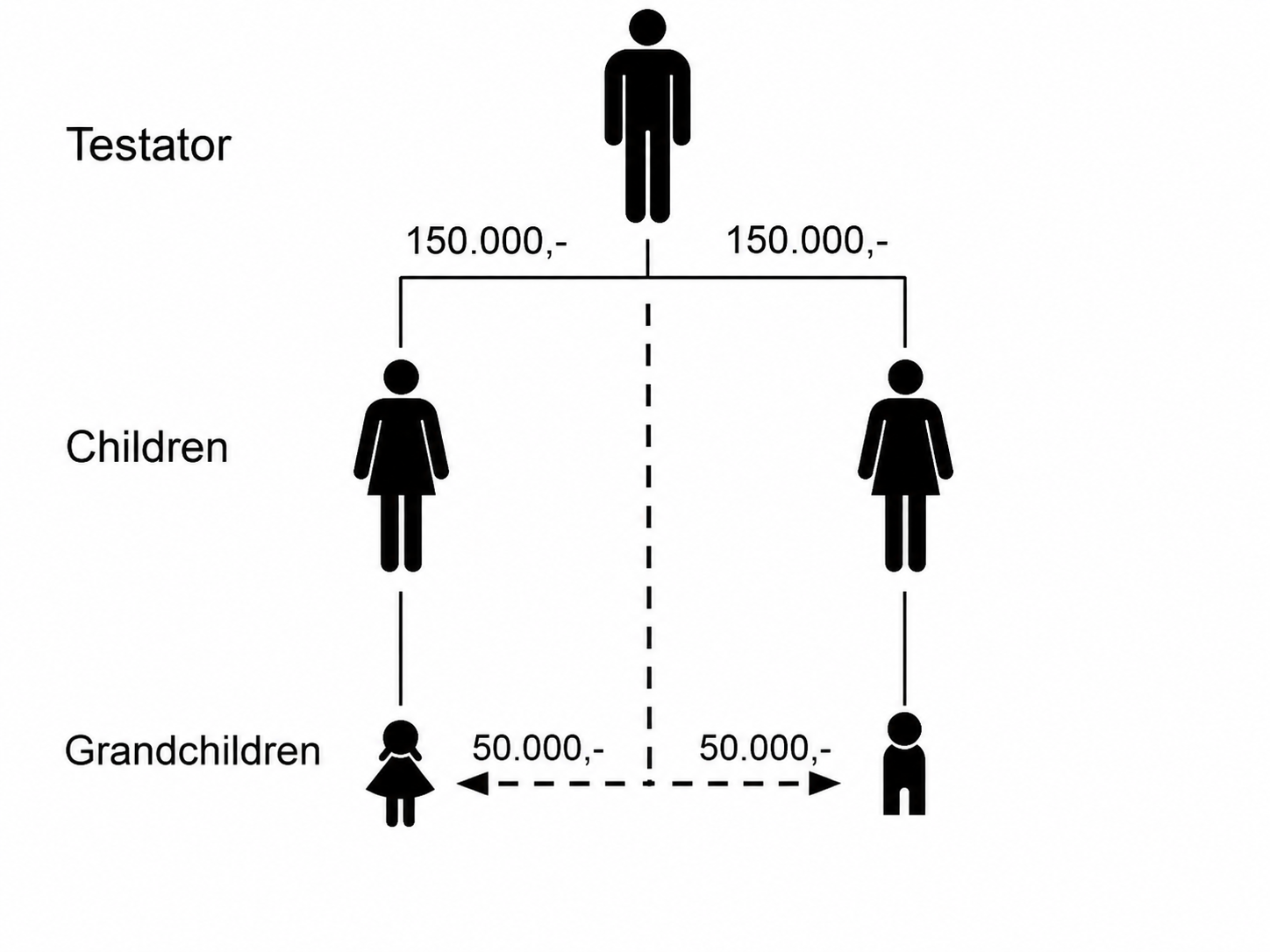
As inheritance tax is progressive, it may be advantageous to distribute the estate among several beneficiaries who can each benefit from individual reductions or allowances. It may also be appropriate to consider allocating the Spanish improvement third (tercio de mejora) directly to grandchildren where this is legally possible and tax-efficient. The actual tax treatment will always depend on the applicable regional legislation and the individual circumstances of each beneficiary.

Lifetime gifts:
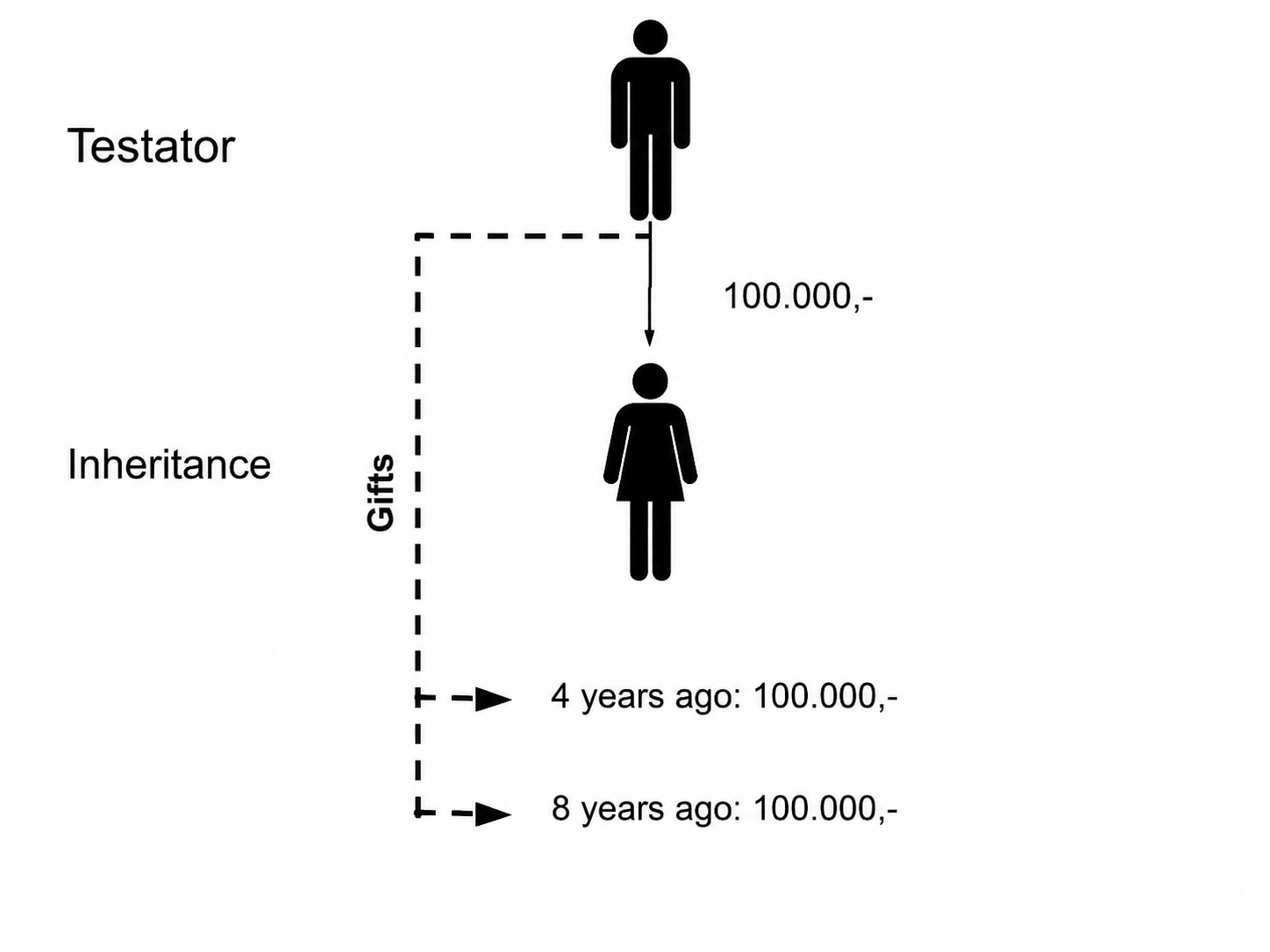
Another planning option is to consider making lifetime gifts of real estate. The taxation of a gift and an inheritance may be subject to different territorial connecting factors, so the competent Autonomous Community and the available tax benefits must be examined in each case. Before making a gift, the overall tax burden of both alternatives should be compared, including any other taxes arising from the transfer.
Another strategy is to coordinate the tax benefits available for gifts and inheritances. The future deceased may transfer part of his or her assets during his or her lifetime where this is tax-efficient, always taking into account the applicable aggregation rules, time limits and statutory requirements.
Change of tax residence:
A more complex form of planning involves changing tax residence. Differences between the tax rules of the Autonomous Communities can lead to significant variations in inheritance taxation. However, a change made solely for tax reasons shortly before death does not necessarily produce the intended effects. The statutory requirements for habitual residence must be met, and the period of residence as well as the taxpayer's personal and family circumstances must be considered.
Life insurance:
Life insurance is increasingly used for both succession and tax-planning purposes. Its legal and tax treatment has specific features and must be assessed by reference to factors such as the residence of the insured person and beneficiary, the insurer, the place where the policy was taken out and the applicable legislation. The deceased's main residence may also qualify for significant inheritance tax reductions where the statutory requirements are satisfied.
Foreign property companies:
In the past, foreign property companies were used in certain structures intended to conceal the beneficial ownership of real estate or evade tax obligations. Spanish anti-money-laundering legislation and beneficial-ownership identification requirements have substantially increased transparency. Any international corporate structure should have genuine economic reasons and fully comply with tax, corporate and anti-money-laundering obligations.
Establishing family businesses:
A lawful planning alternative may involve the transfer of family businesses. Where the statutory requirements are met, significant inheritance tax reductions may apply. This option requires specific planning sufficiently far in advance, as various conditions concerning, among other matters, the business activity, ownership interest and management functions must be satisfied.

Conclusions and recommendations:
Given the large number of tax rules at national, regional, local and European level, as well as their frequent amendment, effective tax planning must be tailored to each individual case. The personal circumstances and residence of the deceased and the beneficiaries must be considered together with the applicable rules and tax benefits.
In any event, so-called 'last-minute transfers' should generally be avoided, as they often fail to produce the intended tax result. They may also prevent the proper use of available tax benefits and, where a transfer constitutes a gift and the corresponding tax is not correctly declared and paid, may lead to tax assessments, penalties and other consequences.
When real estate is contributed or transferred to companies, it should be borne in mind that such transactions may trigger other taxes and fiscal costs. Where foreign companies are involved, anti-money-laundering and beneficial-ownership requirements must also be observed. Incorporating a company can be a useful planning tool where it serves a genuine economic activity.
Tax law is one of the areas of law most frequently subject to change. Any tax planning should therefore consider not only the legislation currently in force but also, insofar as possible, its potential development. In each case, the legislation of the deceased's country of residence, the beneficiaries' countries of residence and the country in which the assets are located should be analysed.
Our law firm will be pleased to analyse your individual circumstances, carry out the necessary administrative procedures on your behalf and assist you with the filing of the relevant tax returns. If you would like further information or have specific questions on this subject, please contact us by email or telephone.
Author:

Christoph Sander
Lawyer and Tax Advisor
CEO, Partner, Director
info@sspartners.es
Tel: (+34) 951 12 13 06
Facebook I LinkedIn I Amazon
Stay informed! Follow us on:


 (+34)
(+34)